
The Short Answer
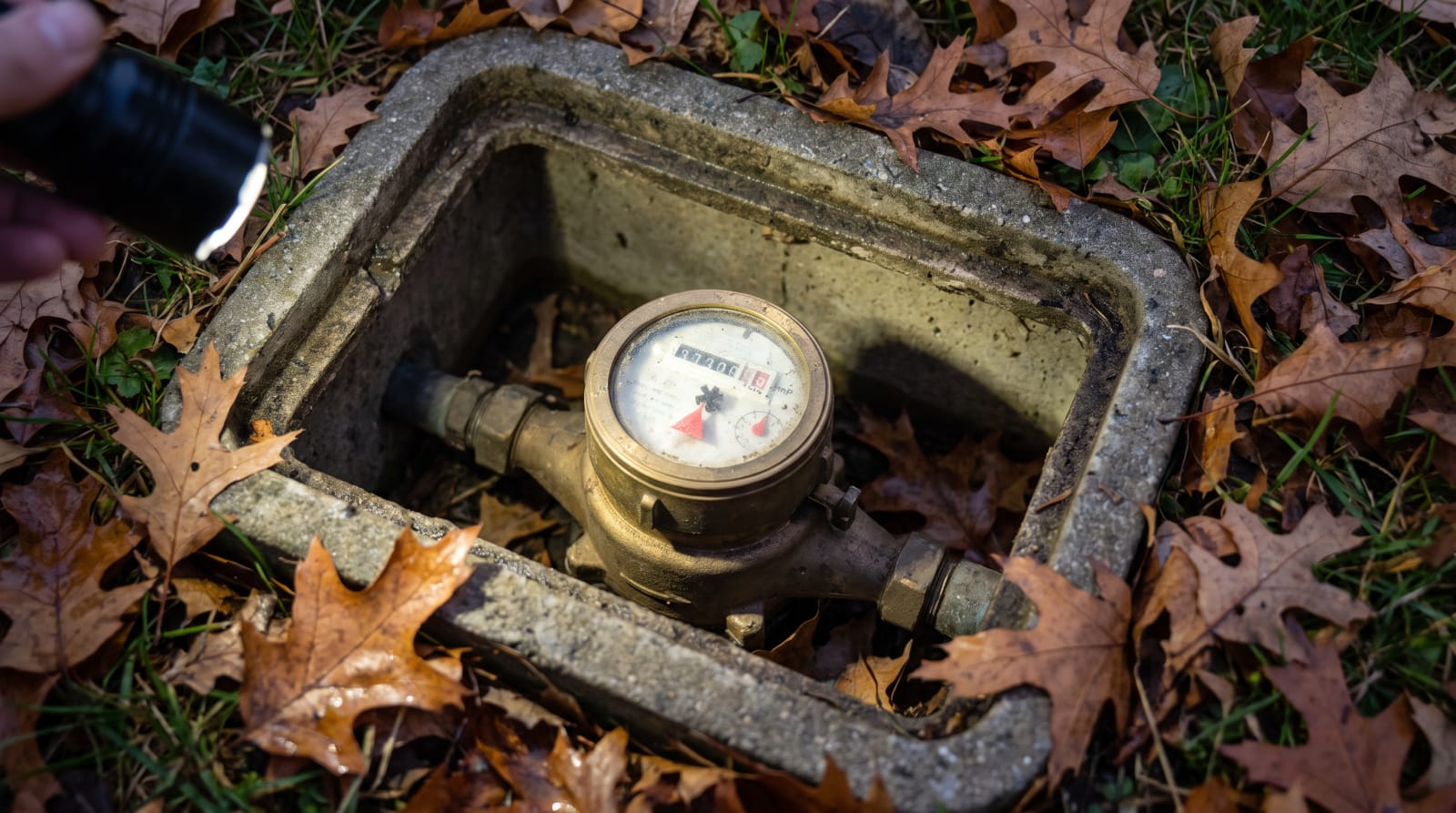
Meter test: turn off every faucet and water-using appliance, write down the water meter reading, wait two hours without using any water, then read it again. If the number changed, water is escaping somewhere.
Toilet dye test: put a few drops of food coloring in the toilet tank. If color shows up in the bowl within 10 minutes without flushing, the toilet is leaking.
Warning signs: a water bill that jumps with no change in use, the sound of running water when everything is off, warm or damp spots on floors, musty smells, and cracks or stains that keep growing.
Call a licensed plumber if the meter shows a leak but the source can’t be found, or if water is showing up inside walls, ceilings or floors.
Sources: EPA WaterSense, City of Spokane Utility Billing, This Old House · Checked: November 7, 2026
Not every leak leaves a puddle. A pipe inside a wall, under a floor or below a slab can drip for months before anyone notices. City of Spokane customers get one monthly bill for water, sewer and garbage, and the City lists plumbing leaks in toilets and taps among the reasons a bill can suddenly rise. Across the country, the EPA estimates that the average household’s leaks can waste nearly 10,000 gallons of water a year. This guide covers the warning signs, two simple tests anyone can do in an afternoon, where to look, and when it’s time to bring in professional leak detection.
In this guide: How much leaks waste · Warning signs · Test 1: Water meter · Test 2: Toilet dye · Where to look · Video · When to call a professional · Common questions
How Much Water Can a Hidden Leak Waste?
More than most people expect. EPA’s WaterSense program, which runs the yearly Fix a Leak Week campaign, says household leaks waste nearly 1 trillion gallons of water a year nationwide, from running toilets and dripping faucets to leaking showerheads and outdoor irrigation systems. Source: EPA WaterSense – Fix a Leak Week · Checked: November 7, 2026
| Type of leak | Water it can waste |
|---|---|
| Average household leaks (all sources) | Nearly 10,000 gallons a year |
| Homes with large leaks (about 1 in 10 homes) | 90 gallons or more per day |
| Faucet dripping once per second | More than 3,000 gallons a year |
| Showerhead leaking 10 drips per minute | More than 500 gallons a year |
| Irrigation system leak 1/32 inch wide | About 6,300 gallons a month |
Source: EPA WaterSense – Fix a Leak Week facts (archived); EPA WaterSense · Checked: November 7, 2026
The upside: EPA says fixing easily corrected household leaks can save nearly 10 percent on water and sewer bills, and many dripping faucets and leaky showerheads can be fixed with a wrench or pipe tape. Source: EPA WaterSense – Take 10 Minutes to Find and Fix a Leak · Checked: November 7, 2026
Warning Signs of a Hidden Leak
- A higher water bill with no change in household use
- The sound of running water when no faucet, shower, dishwasher or washing machine is running
- Lower water pressure throughout the house
- Warm spots on the floor, which can line up with a leaking hot water line under a slab
- Cracks in walls or baseboards that start as hairline fractures and widen over time
- Damp carpet that keeps coming back after it dries, often near walls or baseboards
- A musty or earthy smell that doesn’t go away, a sign of mold or mildew
- Water pooling outside near the foundation days after the weather has been dry
Source: This Old House – Signs of a Slab Leak; City of Spokane – Utility Billing FAQs · Checked: November 7, 2026
Test 1: The Water Meter Test
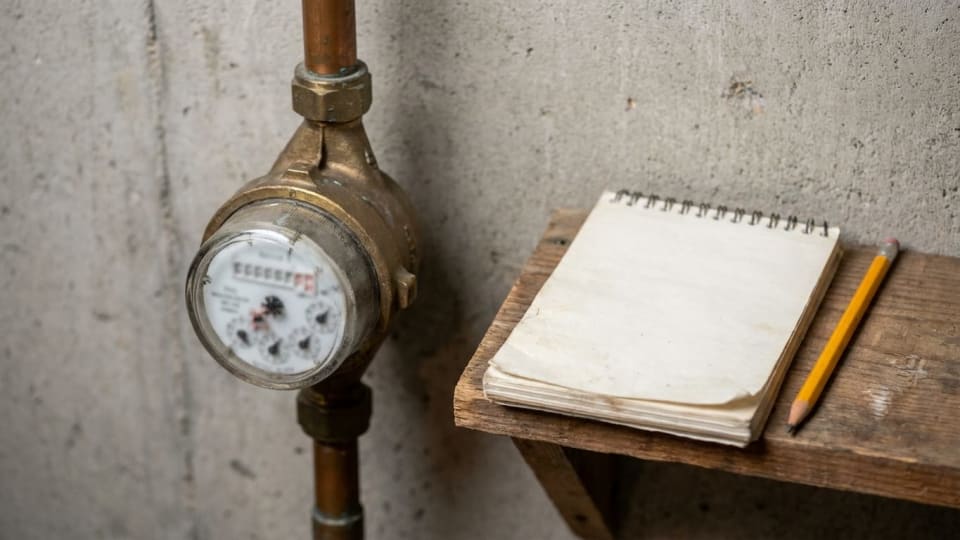
This is the single most useful leak check, because the meter counts every drop that passes through it, including water escaping from pipes nobody can see.
- Find the meter. The City of Spokane says most of its water meters are located in the basement, typically along the front wall and near the floor. Basement washrooms and laundry rooms are other common spots.
- Turn off all water use inside and outside the home: faucets, showers, toilets, dishwasher, washing machine, ice maker and irrigation.
- Write down the reading (a phone photo of the dial works well).
- Wait two hours without using any water.
- Read the meter again. EPA says that if the reading is not the same after two hours, there may be a leaking fixture or hose somewhere in the home.
Source: City of Spokane – Utility Billing FAQs; EPA WaterSense · Checked: November 7, 2026
Test 2: The Toilet Dye Test
Toilets are one of the most common sources of silent leaks, and the City of Spokane names worn toilet flappers, dripping faucets and leaking valves as the usual suspects. Here is the EPA method:
- Remove the tank lid and add a few drops of food coloring to the water in the tank (not the bowl).
- Wait 10 minutes without flushing.
- If color appears in the bowl, water is leaking from the tank. A worn flapper is a common cause.
- Flush right after the test so the dye doesn’t stain the tank.
Repeat the test on every toilet in the house. Source: EPA WaterSense; EPA WaterSense (archived); City of Spokane · Checked: November 7, 2026
Where to Look Around the House
If the meter test shows a leak, a slow walk-through with a flashlight often finds it. Check these spots:
- Under kitchen and bathroom sinks: supply lines, shutoff valves and the drain trap
- Around the base of each toilet and behind it at the supply valve
- Around the water heater (see Water Heater Leaking? What to Do)
- Behind the washing machine, dishwasher and refrigerator ice maker line
- Ceilings directly below upstairs bathrooms
- The crawl space or unfinished basement, especially after a hard freeze (see How to Prevent Frozen Pipes in Spokane)
- Outdoor faucets and irrigation lines
Video from the Portland Water Bureau, a Pacific Northwest water utility, showing how to use a water meter to find leaks:
When to Call for Professional Leak Detection
Some leaks can’t be found with a flashlight. A leak can be anywhere there are pipes, including behind drywall or under a concrete slab. It makes sense to call a licensed plumber or leak detection specialist when:
- The meter keeps moving with everything turned off, but no leak is visible
- There are warm spots on the floor, new cracks, or damp carpet that keeps coming back
- Water is pooling near the foundation in dry weather
- A ceiling is stained, sagging or dripping
- The water bill keeps climbing after toilets and faucets have been checked
Finding the exact location first usually means less cutting into walls and floors. More details are on the leak detection in Spokane page. If water is actively spreading, shut off the main valve and see emergency plumber in Spokane. Source: This Old House – Signs of a Slab Leak · Checked: November 7, 2026
Common Questions
How long should the water meter test take?
EPA recommends waiting two hours with no water in use. A change in the reading over that time suggests a leak somewhere in the plumbing.
Does a small drip really matter?
Yes. According to EPA WaterSense, a faucet dripping once per second can waste more than 3,000 gallons a year. Small leaks inside walls can also soak building materials long before they show.
Why did the water bill jump if there’s no leak?
The City of Spokane notes that a higher bill can also follow several estimated readings that are corrected by an accurate one, or come from more people in the home or a hot, dry summer. Running the meter test helps tell a leak apart from normal changes in use.
Will food coloring stain the toilet?
EPA advises flushing right after the test to keep the dye from staining the tank.
Quick Summary
- Household leaks can waste nearly 10,000 gallons a year (EPA).
- Meter test: all water off, read the meter, wait two hours, read again.
- Toilet dye test: food coloring in the tank, wait 10 minutes, check the bowl.
- Watch for higher bills, running-water sounds, warm floor spots, cracks, damp carpet and musty smells.
- Don’t enter a meter box; the City of Spokane warns of safety hazards.
- If the meter shows a leak but nothing is visible, call for professional leak detection.
Suspect a Hidden Leak in Your Spokane Home?
One call connects to an independent, local plumbing provider serving Spokane and Spokane Valley for leak detection and leak repair.
📞 Call Now – Get Leak Detection Help
Spokane Home Help is a referral service, not a plumbing contractor.
Related Articles
- How to Shut Off Your Main Water Valve
- What to Do When a Pipe Bursts: First Steps
- Water Heater Leaking? What to Do
Spokane Home Help is a referral service and is not a plumbing contractor. Calls may be connected to an independent, third-party plumbing provider serving the caller’s area. Spokane Home Help does not perform plumbing work and is not responsible for the work, pricing, licensing or availability of any provider. Before work begins, confirm the provider’s Washington L&I registration and ask for a written estimate.