
The Short Answer
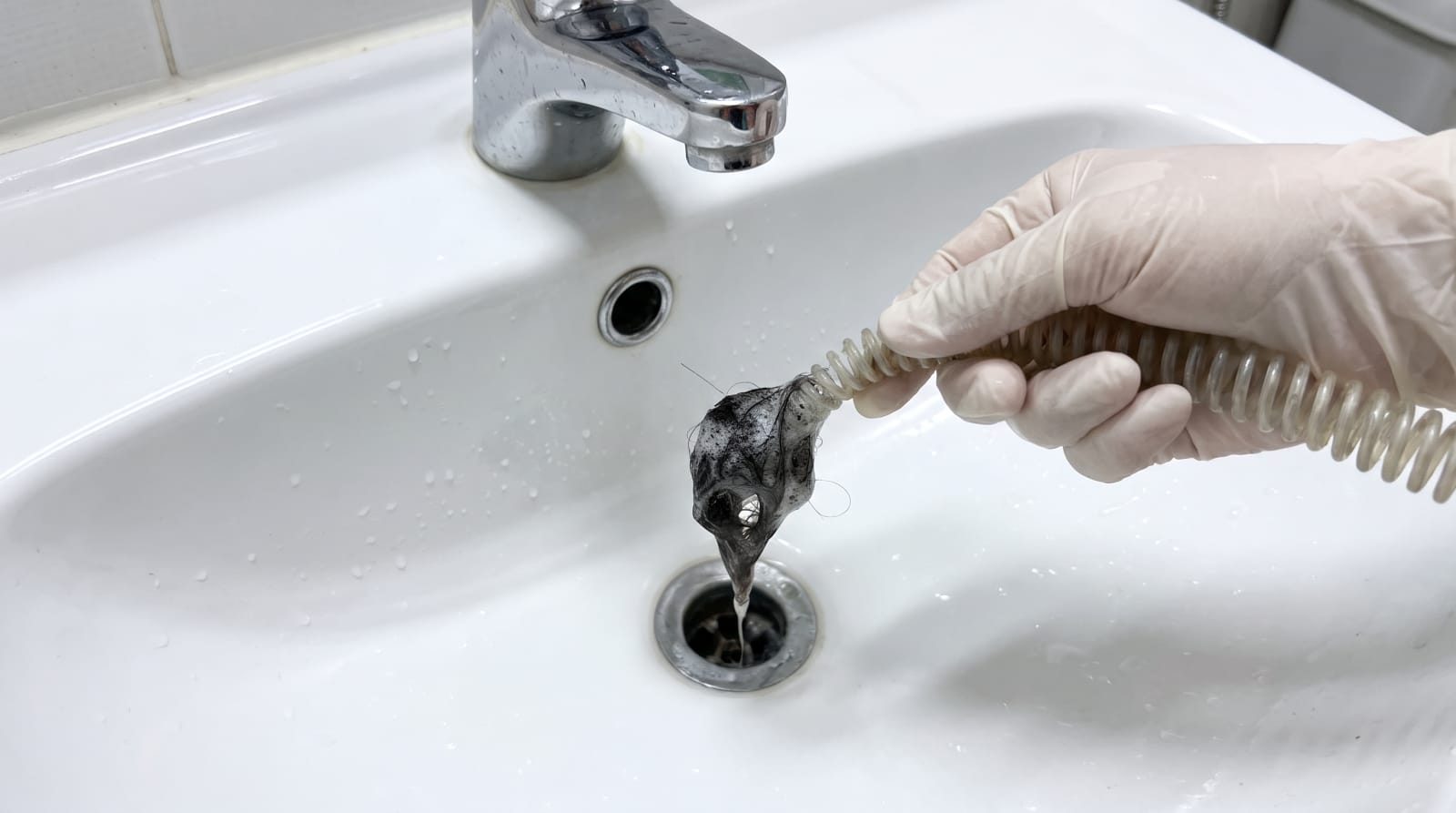
Most repeat clogs are buildup: grease and food scraps in kitchen drains; hair, soap scum and small objects in bathroom drains. Punching a small hole through the blockage lets it close up again.
Several slow drains at once, gurgling toilets or water coming up through a basement floor drain usually point to the main sewer line, not a single fixture.
Safe first steps: a plunger with a tight seal, a hand snake for sinks and tubs, and a closet auger (never a regular snake) for toilets. Go easy on chemical drain cleaners.
Call a plumber if clogs keep returning, more than one drain is affected, or sewage backs up anywhere in the house.
Sources: This Old House, Consumer Reports, City of Spokane · Checked: November 7, 2026
One clog is an annoyance. A drain that clogs every few weeks is a sign that something is building up inside the pipe, or that the problem sits further down the line. In Spokane, the City’s wastewater team says fats, oils and grease are the number one cause of sewer blockages, because grease solidifies on the walls of the pipe. And under Spokane Municipal Code, cleaning, repairing and maintaining the side sewer, the pipe from the building drain to the public sewer, is the property owner’s responsibility. This guide covers why drains keep clogging, how to tell a fixture clog from a main line problem, what to try safely, and when to call a licensed plumber.
In this guide: Why clogs come back · Causes by fixture · Main sewer line signs · Safe DIY steps · Chemical cleaner cautions · Video · Prevention · When to call · Common questions
Why Does the Same Drain Keep Clogging?
Over time, soap scum, grease, slime and mineral deposits coat the inside of drain pipes and narrow the opening, according to This Old House. Each new bit of hair or food catches on that layer. Consumer Reports adds an important point: a plunger may clear a blockage in or near the trap without actually cleaning the line, which can lead to yet another clog. Drain snakes do a better job of removing the leftover sludge from the pipe walls. Source: This Old House – How to Prevent Sink Clogs; Consumer Reports – How to Choose and Use a Drain Cleaner · Checked: November 7, 2026
Common Causes by Fixture
| Fixture | Usual causes | First thing to try |
|---|---|---|
| Kitchen sink | Grease that goes down as a liquid, then cools into a waxy coating; food scraps | Plunger (seal the second drain on a double sink), then a hand snake |
| Bathroom sink | Hair, soap scum, small solid items | Plug the overflow hole with a damp rag and plunge, or use a hand snake |
| Tub and shower | Hair and soap scum | Plug the overflow and plunge, or snake the drain |
| Toilet | Items that don’t break down, too much paper | Plunger with a tight seal, then a closet auger |
| Several drains / basement floor drain | Main line blockage: tree roots, grease, sagging pipe | Stop running water and call a plumber |
Source: This Old House – How to Prevent Sink Clogs; This Old House – How to Clear a Clogged Drain; This Old House – What to Do When Your Sewer Backs Up · Checked: November 7, 2026

When It’s the Main Sewer Line, Not One Drain
A single slow sink is usually a local clog. These signs point to a blockage in the main line that carries all of the home’s wastewater out to the street:
- Multiple drains backing up at the same time
- Sewage coming up through floor drains. Basement floor drains are often the lowest drains in the home, so they tend to show the problem first.
- Gurgling sounds from toilets or drains
- Toilet water that bounces when another fixture runs, which can point to a drain or vent problem
Common causes include tree roots growing into small cracks in the sewer pipe, grease and items that don’t break down, and sagging sections of pipe that collect water and debris. A licensed plumber can run a camera inspection to see inside the line and find the blockage or damage. See Signs of a Sewer Line Problem and sewer line repair in Spokane. Source: This Old House – What to Do When Your Sewer Backs Up · Checked: November 7, 2026
Safe DIY Steps to Try First
- Plunge the right way. Get a tight seal, then pull the plunger back sharply rather than shoving down hard. Pushing with force can pack the clog tighter.
- Block the escape routes. On bathroom sinks and tubs, plug the overflow hole with a damp rag so the plunging force goes to the clog. On a double kitchen sink, seal the other drain.
- Use a hand snake on sink, tub and shower drains: feed the cable into the pipe and turn the handle. Wear safety glasses and gloves.
- For toilets, use a closet auger, not a regular drain snake. Its protective sheath keeps the cable from scratching the porcelain.
- Stop if it isn’t working. If the clog doesn’t clear quickly, or more than one drain is involved, it’s time for a professional.
Source: This Old House – How to Clear a Clogged Drain; Consumer Reports · Checked: November 7, 2026
Be Careful With Chemical Drain Cleaners
Chemical drain openers are tempting for a repeat clog, but both Consumer Reports and This Old House urge caution. Enzyme-based cleaners are a gentler option for routine maintenance: they are safer for pipes, but slower, and need to sit in the drain for several hours or overnight. Source: Consumer Reports – How to Choose and Use a Drain Cleaner · Checked: November 7, 2026
Video from Ask This Old House showing how to unclog sink, tub and toilet drains with basic tools:
How to Prevent Repeat Clogs
- Keep grease out of the sink. The City of Spokane asks residents to collect fats, oils and grease in a container that can be sealed and put it in the garbage.
- Use sink strainers and empty them into the trash regularly.
- Run hot water occasionally to help dissolve soap residue on pipe walls.
- Baking soda and vinegar once a month works for light maintenance, not for major clogs.
- Enzyme cleaners used monthly slowly break down organic matter in the pipe.
- Flush only toilet paper. Nonbiodegradable items can create blockages in the sewer line.
Source: City of Spokane – Holiday Meal Tips; This Old House; This Old House · Checked: November 7, 2026
When to Call a Plumber
Call a licensed plumber when a clog keeps coming back, when more than one drain is slow, when sewage comes up through a floor drain, or when a DIY fix hasn’t worked quickly. If wastewater is backing up, stop using water in the house so more doesn’t flow toward the blockage, and keep children and pets away from it. For drain work, see drain cleaning in Spokane; if sewage is backing up, see emergency plumber in Spokane. Not sure how urgent it is? Read Plumbing Emergency or Can It Wait? Source: This Old House – What to Do When Your Sewer Backs Up · Checked: November 7, 2026
Common Questions
Why did the drain clog again a week after plunging?
Consumer Reports notes that a plunger can clear the blockage without cleaning the line, which can lead to another clog. A snake removes more of the residue from the pipe walls; if that doesn’t hold, the buildup may be further down the line.
Is baking soda and vinegar enough?
For upkeep, yes. This Old House describes it as a method for light maintenance rather than major clogs.
Why does the toilet gurgle when the sink drains?
Gurgling from toilets or drains is a common warning sign of a main line problem, and toilet water that bounces when another fixture runs can point to a drain or vent issue. Both are worth having checked by a plumber.
Who is responsible for the sewer pipe to the street in Spokane?
Spokane Municipal Code 13.03.0630 places the expense and liability for cleaning, repairing and maintaining a side sewer, from the building drain to the public sewer, on the property owner, agent, occupant or other requesting party. Source: Spokane Municipal Code 13.03.0630 · Checked: November 7, 2026
Quick Summary
- Repeat clogs usually mean buildup of grease, soap scum, hair and minerals inside the pipe.
- Several slow drains, gurgling or a backed-up floor drain point to the main sewer line.
- Plunge with a tight seal, plug overflows, use a hand snake for sinks and a closet auger for toilets.
- Chemical cleaners can burn skin and damage pipes; always tell a plumber if one was used.
- Keep grease in a sealed container in the garbage, use strainers, and flush only toilet paper.
- Call a plumber when clogs keep returning or sewage backs up.
Drain Clogging Again and Again in Spokane?
One call connects to an independent, local plumbing provider serving Spokane and Spokane Valley for recurring clogs, drain cleaning and sewer line backups.
📞 Call Now – Get Drain Cleaning Help
Spokane Home Help is a referral service, not a plumbing contractor.
Related Articles
- Signs of a Sewer Line Problem
- Plumbing Emergency or Can It Wait?
- How to Check Your Home for a Hidden Water Leak
Spokane Home Help is a referral service and is not a plumbing contractor. Calls may be connected to an independent, third-party plumbing provider serving the caller’s area. Spokane Home Help does not perform plumbing work and is not responsible for the work, pricing, licensing or availability of any provider. Before work begins, confirm the provider’s Washington L&I registration and ask for a written estimate.