
The Short Answer
The classic signs: several drains slowing down at once, gurgling toilets, water coming up through the lowest drain in the house, sewage odors, and soggy or unusually green strips of lawn along the path of the sewer line.
Common causes: tree roots, aging clay or cast-iron pipe, ground movement, and grease or wipes going down the drain.
How it’s diagnosed: a sewer camera inspection shows where the clog, crack or root intrusion is before any digging starts.
Who is responsible: in the City of Spokane, the property owner is responsible for the entire side sewer, including the part under the street right-of-way.
Sources: City of Spokane, Spokane County, This Old House, Angi · Checked: November 7, 2026
The main sewer line, called the side sewer in Spokane, carries every drop of wastewater from the house to the public sewer main. Because it’s buried, trouble usually stays hidden until it shows up as a slow drain, a bad smell or sewage in the basement. Many older Spokane neighborhoods combine mature trees with decades-old sewer pipe, a pairing that makes root intrusion a familiar problem. This guide covers the seven most common warning signs, what causes sewer line damage, how a camera inspection works, who is responsible for the line, and what to do right now.
In this guide: 7 warning signs · What causes sewer line damage · Who is responsible in Spokane · Sewer camera inspection · What to do now · Video · Common questions
7 Signs of a Sewer Line Problem
1. Several drains are slow at the same time
One slow sink is usually a local clog, often hair or soap. When the kitchen sink, bathroom sink and tub all drain slowly at once, Angi notes that the clog is likely in the main line that all of them share. Source: Angi – Warning Signs of a Clogged Sewer Line · Checked: November 7, 2026
2. Gurgling toilets and drains
Gurgling behind the toilet after a flush, or bubbling in a drain when another fixture runs, points to restricted airflow in the system. This Old House lists gurgling as a sign of a blockage or a venting issue. Source: This Old House – What to Do When Your Sewer Backs Up · Checked: November 7, 2026
3. Water backs up into the lowest drain
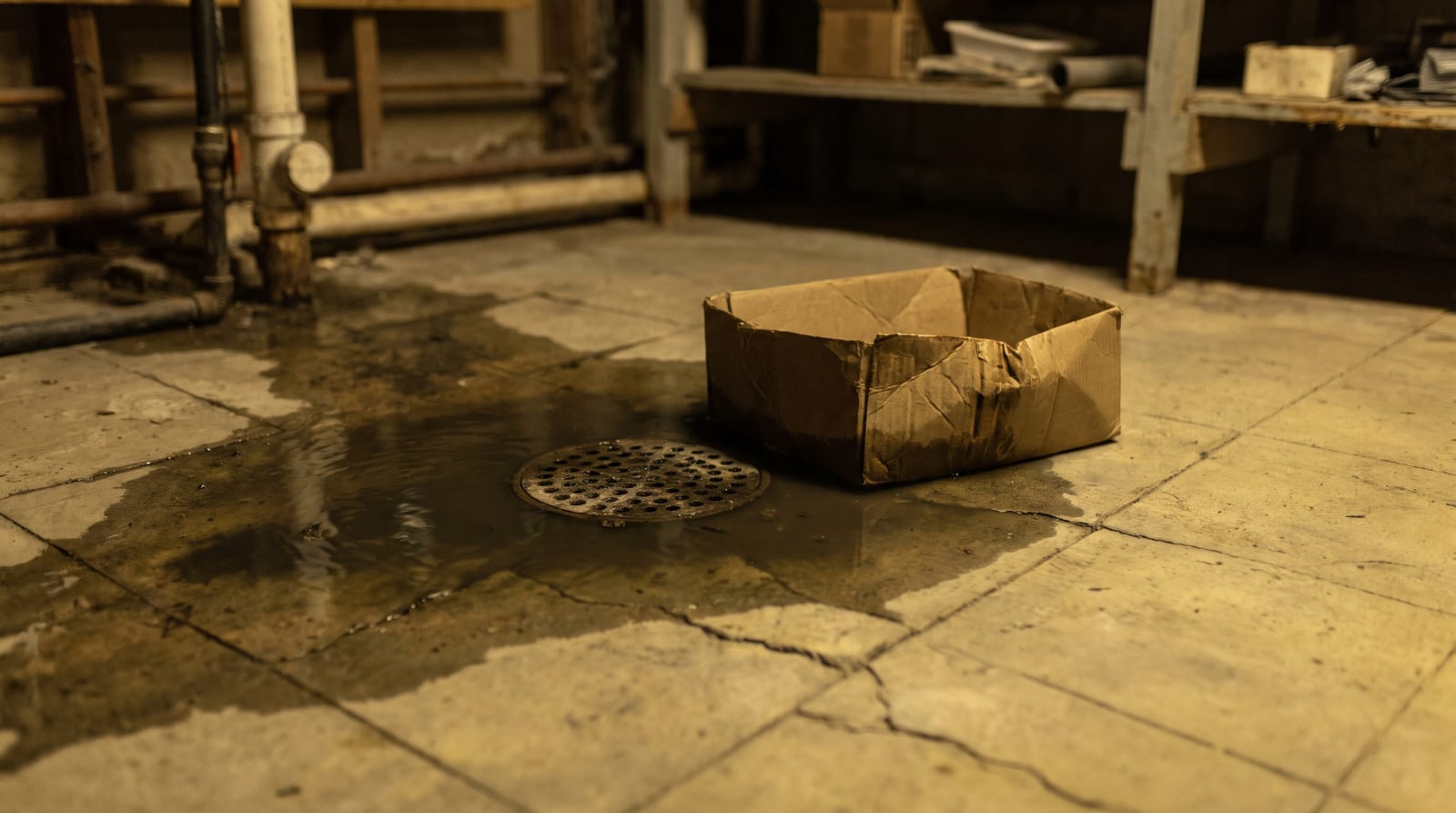
Wastewater follows gravity, so a blocked main line often shows up first at the lowest opening in the house. According to Angi, water coming up through a basement drain after a toilet is flushed suggests the problem is in the main line. This Old House adds another tell: water rising in a shower or tub while the washing machine drains. Source: Angi; This Old House · Checked: November 7, 2026
4. Sewer odors inside or outside
A sewage smell from sinks, tubs, floor drains or the yard is a warning sign in itself. This Old House points out that sewer gas can often be smelled before any liquid surfaces, and that mold spreading on floors or walls can be another early sign of a broken line. Source: This Old House – Sewer Line Repair and Replacement · Checked: November 7, 2026
5. Soggy, sunken or unusually green lawn patches
Leaking wastewater fertilizes the soil above it. This Old House advises looking for soggy patches, unusually green grass or sunken areas along the path of the sewer line, and Angi describes bright green, spongy sod as a possible sign of a leaking line. A strip that stays wet during a dry Spokane summer deserves a closer look. Source: This Old House – Sewer Line Replacement Cost; Angi · Checked: November 7, 2026
6. Large trees near the line and repeat clogs
Roots grow toward moisture and are naturally drawn to sewer lines. This Old House notes that clay sewer pipe, typically found in older homes, is the most susceptible to root damage. Spokane County states that tree roots are a common cause of clogs and are the homeowner’s responsibility when they grow into the side sewer. A pattern of clogs that keep coming back in a house with big trees nearby is a strong hint. Source: This Old House; Spokane County – Homeowner Responsibility · Checked: November 7, 2026

7. Foundation cracks or settling ground
Over time, a leaking line can wash out the soil around it. This Old House notes that sewer line leaks can contribute to foundation cracks, pest activity and soil instability. New cracks in a slab or basement wall, or a dip forming in the lawn, are worth connecting to the other signs on this list. Source: This Old House – Sewer Line Replacement Cost · Checked: November 7, 2026
Warning Signs at a Glance
| Sign | What it may point to | Urgency |
|---|---|---|
| Several slow drains at once | Partial clog in the main line | Schedule an inspection soon |
| Gurgling toilets or drains | Blockage or venting problem | Schedule an inspection soon |
| Water or sewage in the lowest drain | Main line blocked | Stop using water, call a plumber now |
| Sewer odor | Blockage, cracked pipe or failed seal | Investigate promptly |
| Soggy, green or sunken lawn strip | Leak in the buried line | Investigate promptly |
| Repeat clogs near large trees | Root intrusion | Camera inspection recommended |
| New foundation cracks or settling | Soil washed out by a leak | Investigate promptly |
Source: compiled from This Old House and Angi · Checked: November 7, 2026
What Causes Sewer Line Damage?
- Tree roots entering through small cracks and joints.
- Aging pipe. Older pipes can deteriorate, collapse or leak. This Old House notes that cast-iron pipe is at high risk of eroding from calcium and magnesium buildup.
- Ground movement. Shifting soil and freezing can crack underground lines.
- Sagging sections (“bellies”) where the pipe has settled and holds water and debris.
- What goes down the drain. Wipes and grease are common culprits. Spokane County asks residents not to flush trash or pour grease down drains.
Source: This Old House; Spokane County · Checked: November 7, 2026
Pipe material matters too. This Old House gives these typical lifespans: cast iron 75–100 years, clay and cement up to 100 years, Orangeburg around 50 years, and PVC over 100 years. A home with original Orangeburg or clay pipe and big trees in the yard is a prime candidate for a camera inspection. Source: This Old House – Sewer Line Repair and Replacement · Checked: November 7, 2026
Who Is Responsible for the Sewer Line in Spokane?
This surprises many homeowners. The City of Spokane’s Side Sewer Installation Handbook states that the property owner is responsible for the maintenance and repair of the entire side sewer, including the portions located within the public right-of-way. The handbook defines the side sewer as beginning about two feet outside the building’s foundation and running to the public sewer. Spokane County takes the same position for its customers: the service line from the home to the sewer main in the street is privately owned, and the County maintains only the public main. Source: City of Spokane – Side Sewer Installation Handbook (Oct. 2025); Spokane County – Homeowner Responsibility · Checked: November 7, 2026
The City also requires a sewer connection permit for side sewer installations, and work in the public right-of-way must be done by a licensed and bonded contractor. Source: City of Spokane – Side Sewer Connection · Checked: November 7, 2026
How a Sewer Camera Inspection Works
A technician threads a small waterproof digital camera into the pipe, usually through a cleanout, to check for clogs, leaks, cracks and roots. The footage shows where the problem is and how far down the line it sits, which helps decide between cleaning, a section repair, trenchless lining or replacement. This Old House’s Richard Trethewey recommends running a camera down the sewer line before any work begins, and suggests that owners of older homes have the main line inspected this way at least once every 10 years. A camera inspection is usually a separate line item on an estimate, so it’s worth asking whether it’s included. Source: This Old House – Sewer Line Repair; This Old House – Sewer Line Replacement Cost · Checked: November 7, 2026
What to Do Now
If sewage is backing up, treat it as urgent:
- Stop using all water: toilets, faucets, the dishwasher and the washing machine. Every gallon adds to the backup.
- Keep people and pets away from the affected area.
- If there’s an outdoor cleanout and it’s safe to reach, This Old House notes that opening the cap may relieve pressure.
- Call a licensed plumber. Main-line problems need specialized equipment.
For slower warning signs such as gurgling, recurring clogs or a soggy lawn strip, schedule a camera inspection before the problem turns into a backup. For help deciding how urgent a problem is, see Plumbing Emergency or Can It Wait? More details on repair options are on the sewer line repair in Spokane page, and routine clogs are covered on the drain cleaning in Spokane page.
Video from This Old House showing how a damaged sewer pipe under a concrete slab is repaired:
Common Questions
Is the City of Spokane responsible for the sewer line under the street?
Not for the side sewer. The City’s handbook places maintenance and repair of the entire side sewer on the property owner, including the part in the public right-of-way, up to the connection with the public sewer main. The public main itself is maintained by the utility.
How can a slow drain be told apart from a sewer line problem?
Look at how many fixtures are affected. A single slow sink is usually a local clog. Several slow drains at once, gurgling, or water appearing in a basement floor drain when a toilet is flushed all point to the main line. See Why Does My Drain Keep Clogging? for the single-drain causes.
Does sewer line repair always mean digging up the yard?
Not always. This Old House describes trenchless options such as pipe lining, where a new liner is installed inside the old pipe, and pipe bursting, where the old pipe is fractured and replaced. Some damage still requires excavation. A camera inspection is what shows which approach fits.
How often should an older home’s sewer line be inspected?
This Old House suggests that owners of older homes have the main sewer line camera-inspected at least once every 10 years, and before any repair work begins.
Quick Summary
- Several slow drains, gurgling and backups in the lowest drain point to the main line, not a single fixture.
- Sewer odors, soggy or extra-green lawn strips and new foundation cracks can signal a leak in the buried line.
- Tree roots, aging clay or cast-iron pipe, ground movement, grease and wipes are the usual causes.
- In Spokane, the property owner is responsible for the entire side sewer, including the part under the street.
- A camera inspection pinpoints the problem before any digging.
- If sewage is backing up: stop using water, keep away from it, and call a plumber.
Sewer Line Trouble in Spokane?
One call connects to an independent, local plumbing provider serving Spokane and Spokane Valley for sewer backups, camera inspections and main line repairs.
📞 Call Now – Sewer Line Help in Spokane
Spokane Home Help is a referral service, not a plumbing contractor.
Related Articles
- Why Does My Drain Keep Clogging?
- Plumbing Emergency or Can It Wait?
- How to Check Your Home for a Hidden Water Leak
Spokane Home Help is a referral service and is not a plumbing contractor. Calls may be connected to an independent, third-party plumbing provider serving the caller’s area. Spokane Home Help does not perform plumbing work and is not responsible for the work, pricing, licensing or availability of any provider. Before work begins, confirm the provider’s Washington L&I registration and ask for a written estimate.