
The Short Answer
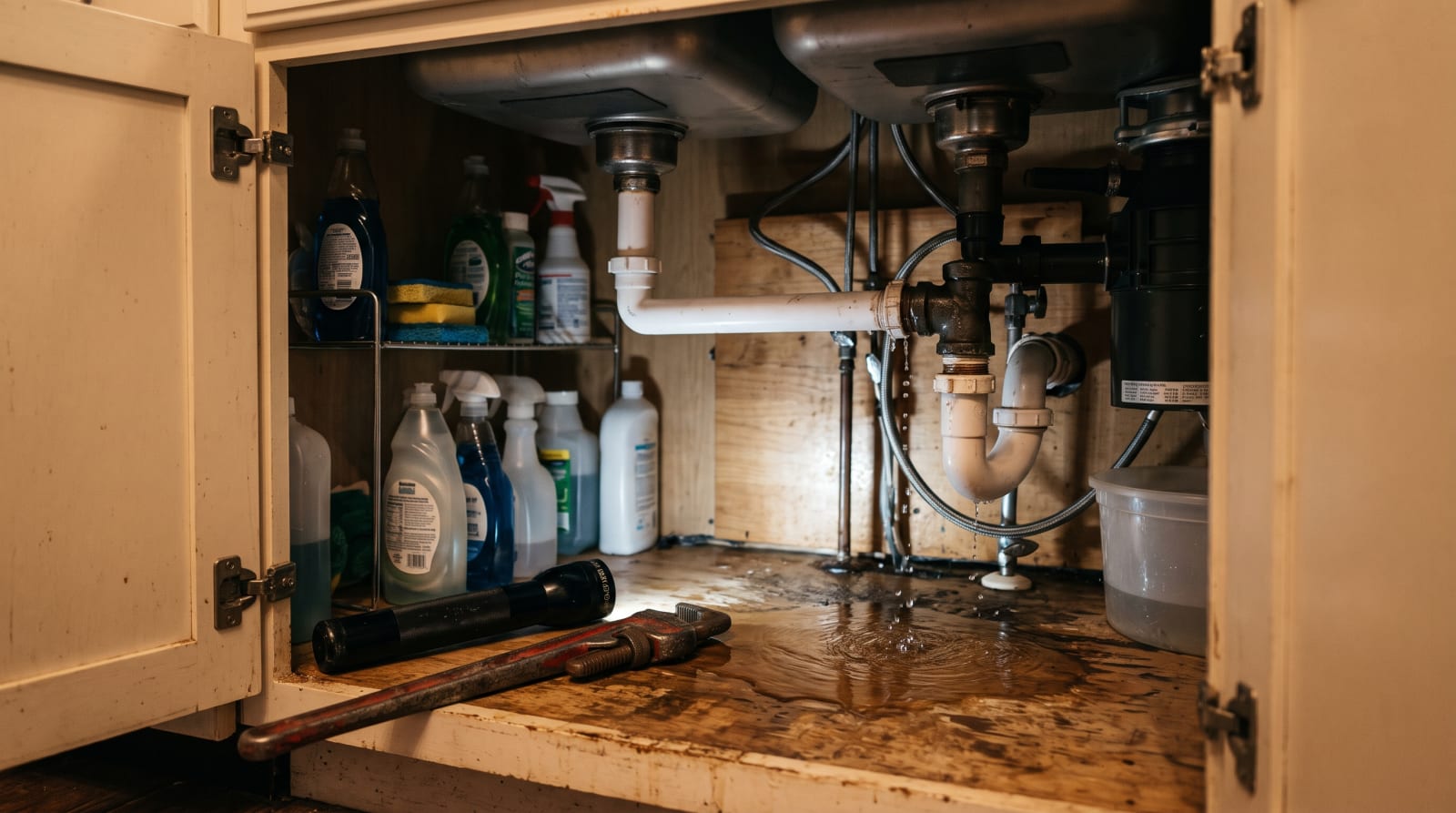
Call right away: a burst pipe or a leak that won’t stop, sewage coming up into the home, water near outlets or the electrical panel, or no water at all during a cold snap. Shut off the main water valve first.
Smell gas? That is not a plumbing call. Get everyone out, then call 911 and Avista at (800) 227-9187 from a neighbor’s house. Don’t flip switches or use a phone inside.
Call soon (within a day or two): a leaking water heater once its water and power or gas are off, a leak that a fixture shutoff valve has stopped, or a clog in the only toilet in the house.
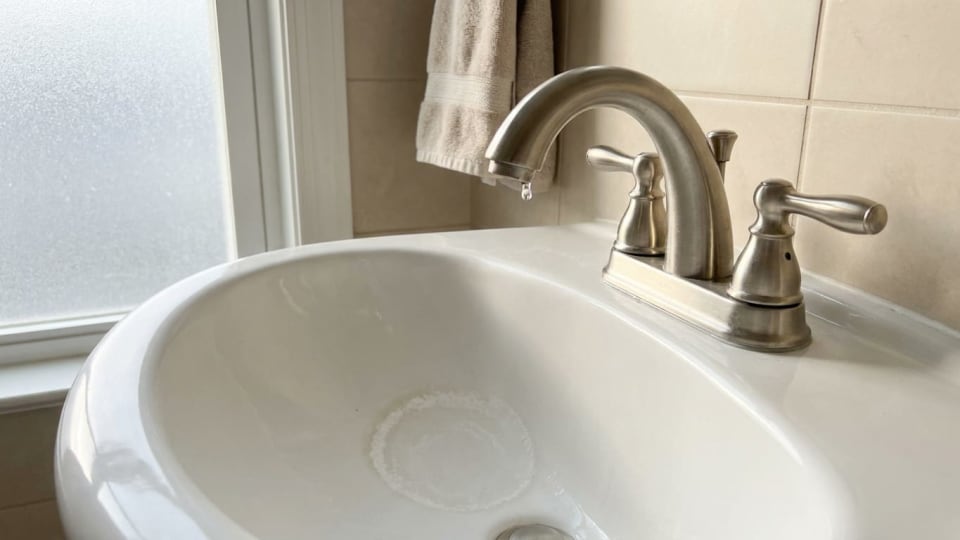
Can wait for a regular appointment: a dripping faucet, a running toilet, one slow drain or mildly low pressure. Just don’t ignore them: a faucet dripping once per second can waste more than 3,000 gallons a year.
Sources: Avista, This Old House, U.S. EPA WaterSense · Checked: November 7, 2026
Water spreading across a Spokane basement floor late on a Sunday night raises one urgent question: does this need a plumber tonight, or can it wait until Monday morning? Waiting too long on a real emergency can turn a repair into a water-damage claim, while an after-hours call for a problem that could have waited usually costs more. This guide sorts common plumbing problems into three groups, explains what to do while waiting for help, and covers how to describe the problem clearly on the phone.
In this guide: The triage table · Call right away · Call within a day or two · Can wait for an appointment · What to do while waiting · Why emergency visits cost more · How to describe the problem · Video · Common questions
Emergency or Not? The Plumbing Triage Table
| Problem | How urgent | First step |
|---|---|---|
| Burst pipe | Call right away | Shut off the main water valve |
| Active leak that can’t be stopped | Call right away | Shut off the main water valve, move belongings away |
| Sewage backing up into drains, tubs or floor drains | Call right away | Stop using water and drains; keep kids and pets away |
| Water near outlets, cords or the electrical panel | Call right away | Stay out of the water; shut off power only if it can be done safely |
| No water at all during a cold snap | Call right away | Suspect a frozen pipe; check other faucets |
| Gas smell | Leave the home first | Call 911 and Avista from a neighbor’s house |
| Leaking water heater | Call soon (within a day or two) | Close its cold-water supply valve; turn off gas or power |
| Leak stopped by a fixture shutoff (sink, toilet, dishwasher) | Call soon (within a day or two) | Leave the fixture valve closed |
| Single clogged drain or toilet (another one still works) | Call soon (within a day or two) | Stop using that fixture |
| Running toilet | Can wait for a regular appointment | Close the valve behind the toilet if it won’t stop |
| Dripping faucet | Can wait for a regular appointment | Note which faucet and how fast it drips |
| Slow drain | Can wait for a regular appointment | Watch for other slow drains (a possible sewer line sign) |
| Mildly low water pressure | Can wait for a regular appointment | Check whether it affects one faucet or the whole house |
Source: This Old House – Tips for Controlling Plumbing Emergencies; Avista – Natural Gas Safety · Checked: November 7, 2026
Call Right Away: These Can’t Wait
Burst pipe or a leak that won’t stop. The first move is always the main shutoff valve, usually near the front of the house by the water meter or where the water line enters. This Old House notes that once the house is no longer pressurized, the leak should stop. Then call for help; see emergency plumber in Spokane, How to Shut Off Your Main Water Valve and What to Do When a Pipe Bursts. Source: This Old House – Tips for Controlling Plumbing Emergencies · Checked: November 7, 2026
Sewage backup. This Old House lists sewage backups among the problems that need a professional. The Washington State Department of Health warns that sewage can carry harmful bacteria and viruses, recommends rubber gloves, boots and eye protection for any cleanup, and says to keep children and pets out of the area until it is clean. More on warning signs in Signs of a Sewer Line Problem. Source: Washington State Department of Health – Sewage Spills: Cleaning Them Up · Checked: November 7, 2026
Water near electrical outlets, cords or the panel. The CDC advises not to enter standing water to reach the main power switch if electrical circuits or equipment are wet or near water, and to call an electrician to turn the power off in that case. Never operate switches or electrical tools while standing in water. Source: CDC – Protect Yourself From Electrical Hazards · Checked: November 7, 2026
No water during a cold snap. When only a trickle, or nothing, comes out of a faucet during a cold snap, a frozen pipe is the likely cause, and the American Red Cross notes that if one pipe has frozen, others may have too. A frozen pipe that splits will leak as soon as it thaws. See How to Prevent Frozen Pipes in Spokane. Source: American Red Cross – Preventing & Thawing Frozen Pipes · Checked: November 7, 2026
Call Soon: Within a Day or Two
Leaking water heater. This Old House recommends shutting off the cold-water supply valve to the heater and turning off its gas or electricity. Never plug or cap the temperature and pressure relief valve. Once those are off, the leak is usually contained, but the tank still needs a professional look soon. Step-by-step help: Water Heater Leaking? What to Do. Source: This Old House – Tips for Controlling Plumbing Emergencies · Checked: November 7, 2026
A leak isolated by a fixture valve. Toilets have a shutoff near the floor behind the bowl, sinks have supply valves underneath, and dishwashers usually have one under the sink or in a nearby cabinet. If closing one of these stops the leak, the rest of the house keeps working and the repair can be scheduled. A single clogged drain or toilet falls in the same group when another one still works. If clogs keep coming back, read Why Does My Drain Keep Clogging? or see drain cleaning in Spokane.
Can Wait for a Regular Appointment
A dripping faucet, a running toilet, a single slow drain and mildly low pressure are annoying but not urgent. They still deserve attention: the EPA’s WaterSense program says a faucet dripping at one drip per second can waste more than 3,000 gallons a year, and a worn toilet flapper can silently leak thousands of gallons a year. This Old House adds that persistent low pressure is a job for a professional. Source: U.S. EPA WaterSense – Fix a Leak Week · Checked: November 7, 2026
One exception: several slow drains at once, or gurgling from one fixture when another drains, can point to a problem in the main sewer line rather than a single clog. That moves the problem up the list; see Signs of a Sewer Line Problem. A water bill that rises for no clear reason is another reason not to wait; see How to Check Your Home for a Hidden Water Leak.
What to Do While Waiting for the Plumber
- Stop the water. Close the fixture valve, or the main shutoff valve if the leak is in a pipe.
- Handle electricity carefully. Turn off power at the breaker only if it can be done without standing in water (CDC).
- Shut down the water heater if it is leaking: cold-water supply valve closed, gas or power off.
- Take photos or video of the damage before cleaning up. The Insurance Information Institute (Triple-I) recommends photographing or videotaping damage for a claim.
- Prevent further damage. Triple-I says to take reasonable steps to protect the property from further damage, and not to throw away damaged items until the adjuster has seen them.
- Keep receipts for anything spent on temporary repairs or cleanup.
- Call the insurance company promptly to confirm coverage and the filing deadline.
Source: Insurance Information Institute – How to File a Homeowners Claim; CDC · Checked: November 7, 2026
Why Emergency Visits Usually Cost More
According to This Old House, plumbing emergencies cost more, particularly outside business hours, often through a flat emergency fee plus a higher hourly rate, and plumbing companies may also charge more in busy seasons such as winter. That is the practical reason to triage first: if the water is off and the problem is contained, waiting for normal hours can make sense. If water is still flowing or sewage is involved, the cost of waiting is usually higher than the cost of the visit. Source: This Old House – Plumbing Cost Guide · Checked: November 7, 2026
How to Describe the Problem on the Call
A clear description helps the plumber judge urgency. Have these details ready:
- What is happening: spraying, dripping, backing up, no water, low pressure.
- Where: which room, which fixture, inside a wall or ceiling, crawl space or basement.
- When it started and whether it is getting worse.
- What has been done: main or fixture valve closed, water heater turned off, power off.
- Whether it affects one fixture or the whole house.
Before work begins, ask for a written estimate and confirm the contractor’s registration with Washington L&I. Source: Washington L&I – Verify a Contractor, Tradesperson or Business · Checked: November 7, 2026
Video from Ask This Old House, “Controlling Plumbing Emergencies,” with practical steps for getting water under control fast:
Common Questions
Is a leaking water heater an emergency?
It depends on whether the leak can be stopped. Closing the cold-water supply valve and turning off the gas or power usually contains it, and a repair can then be scheduled within a day or two. If water keeps pouring out after that, or the leak is near electrical equipment, treat it as urgent.
Is a clogged toilet an emergency?
Usually not, if another toilet in the home works. It becomes urgent when it is the only toilet, when it overflows and won’t stop, or when sewage comes up in other drains.
Does homeowners insurance cover a burst pipe?
The Insurance Information Institute says standard homeowners policies provide coverage for burst pipes, while some policies cover sewer and drain backups and many don’t unless a sewer backup rider is added. Coverage varies, so check the policy and call the insurer. Source: Insurance Information Institute – Water Damage: What’s Covered, What’s Not · Checked: November 7, 2026
Should a plumber be called for a gas smell?
No, not first. Avista’s guidance is to leave the home, avoid creating sparks, and call 911 and Avista from a neighbor’s house. Once Avista has made the area safe, a plumber or gas appliance technician can handle any repairs.
Quick Summary
- Call right away for burst pipes, leaks that won’t stop, sewage backups, water near electricity, or no water during a cold snap.
- Gas smell: leave first, then call 911 and Avista at (800) 227-9187.
- Call within a day or two for a contained water heater leak, a leak stopped by a fixture valve, or a single clog.
- Drips, running toilets, slow drains and mildly low pressure can wait for a regular appointment.
- While waiting: shut off the water, take photos, prevent further damage, keep receipts and call the insurer.
- Emergency and after-hours visits usually cost more, so triage first.
Plumbing Problem That Can’t Wait?
One call connects to an independent, local plumbing provider serving Spokane and Spokane Valley for burst pipes, active leaks and sewage backups.
📞 Call Now – Connect With a Spokane Plumber
Spokane Home Help is a referral service, not a plumbing contractor.
Related Articles
- What to Do When a Pipe Bursts: First Steps
- How to Shut Off Your Main Water Valve
- Water Heater Leaking? What to Do
Spokane Home Help is a referral service and is not a plumbing contractor. Calls may be connected to an independent, third-party plumbing provider serving the caller’s area. Spokane Home Help does not perform plumbing work and is not responsible for the work, pricing, licensing or availability of any provider. Before work begins, confirm the provider’s Washington L&I registration and ask for a written estimate.